


OUR STORY
At Protropic, hearts of palm are more than just a product—they represent a journey of resilience, quality, and social responsibility that began in 1984. As a family-owned business, we are dedicated to innovation and deeply connected to the land and the communities that sustain us
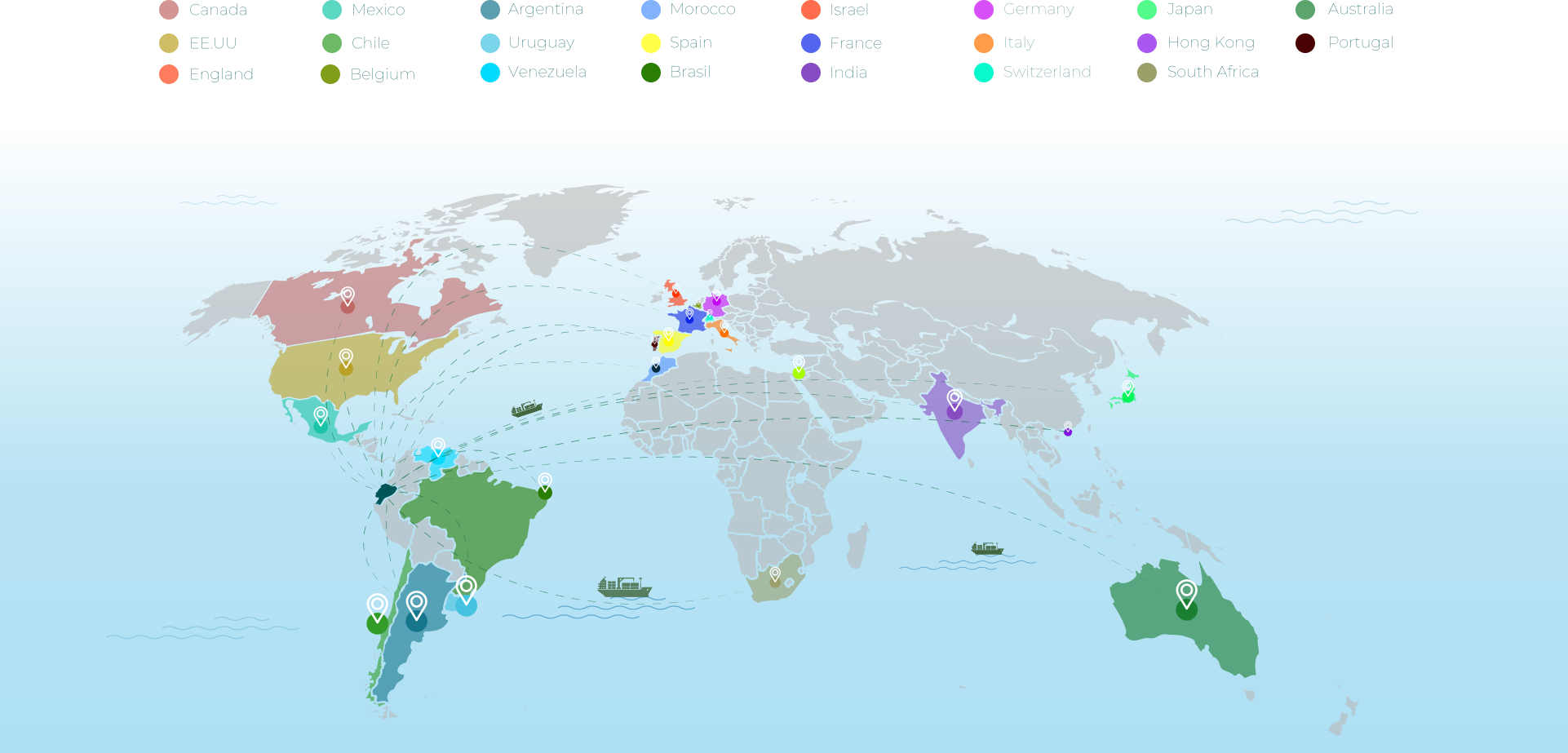
Protropic’s journey is one of resilience and vision. After the palm oil market collapsed in the early 1990's, we pivoted to hearts of palm, driven by the next generation’s agronomy studies in Costa Rica. This decision led to our plantation and processing facility, enabling us to export to over 23 countries across three continents. More than a company, Protropic embodies hard work, quality, and sustainability, dedicated to making a meaningful impact.
the
protropic
journey
A Timeline of Growth
and Innovation
The family acquires an abandoned farm near Quinindé and establishes its first oil palm plantation using high-quality seeds from Costa Rica.
A free medical practice is opened by the family doctors on the farm, providing healthcare to workers and the local community.


A crisis in the palm oil industry, caused by increased imports of animal fats and fish oil, forces local producers to unite. The farm joins efforts to create Feda Palma, facilitating exports to new international markets
The farm introduces a small hearts of palm plantation as part of a crop diversification strategy.
A local school is founded for children in the community. Over 25 years, it educates more than 1,200 students.


The farm achieves an exceptional yield of 32 tons of palm oil per hectare—more than double the national average. This success enables expansion and full loan repayment.
Protropic is officially founded, establishing a processing plant for hearts of palm to support exports and business growth.


The Argentine economic crisis disrupts exports, prompting Protropic to diversify its markets and expand into Europe through strategic partnerships.
The company increases its land holdings, diversifies its supplier network, and expands production capacity and employment.
The Protropic launches a cooperative savings and microcredit system to support workers with housing, healthcare, and financial development.


Organic growth reflects Protropic’s commitment to quality, sustainability, and innovation.
A major setback occurs as bud rot disease devastates oil palm plantations, forcing a complete replanting process. Protropic continues to focus exclusively on hearts of palm.


A global economic downturn and market oversupply freeze demand for hearts of palm. Protropic restructures operations to recover and adapt.


Protropic manages over 1000 hectares of company-owned land, exports to more than 20 countries, and directly employs around 300 people.
The company maintains 200 hectares of protected forest to reintegrate wildlife.
Protropic It continues investing in education, sustainability, and improving livelihoods.
New technologies are incorporated to enhance efficiency and resource management.